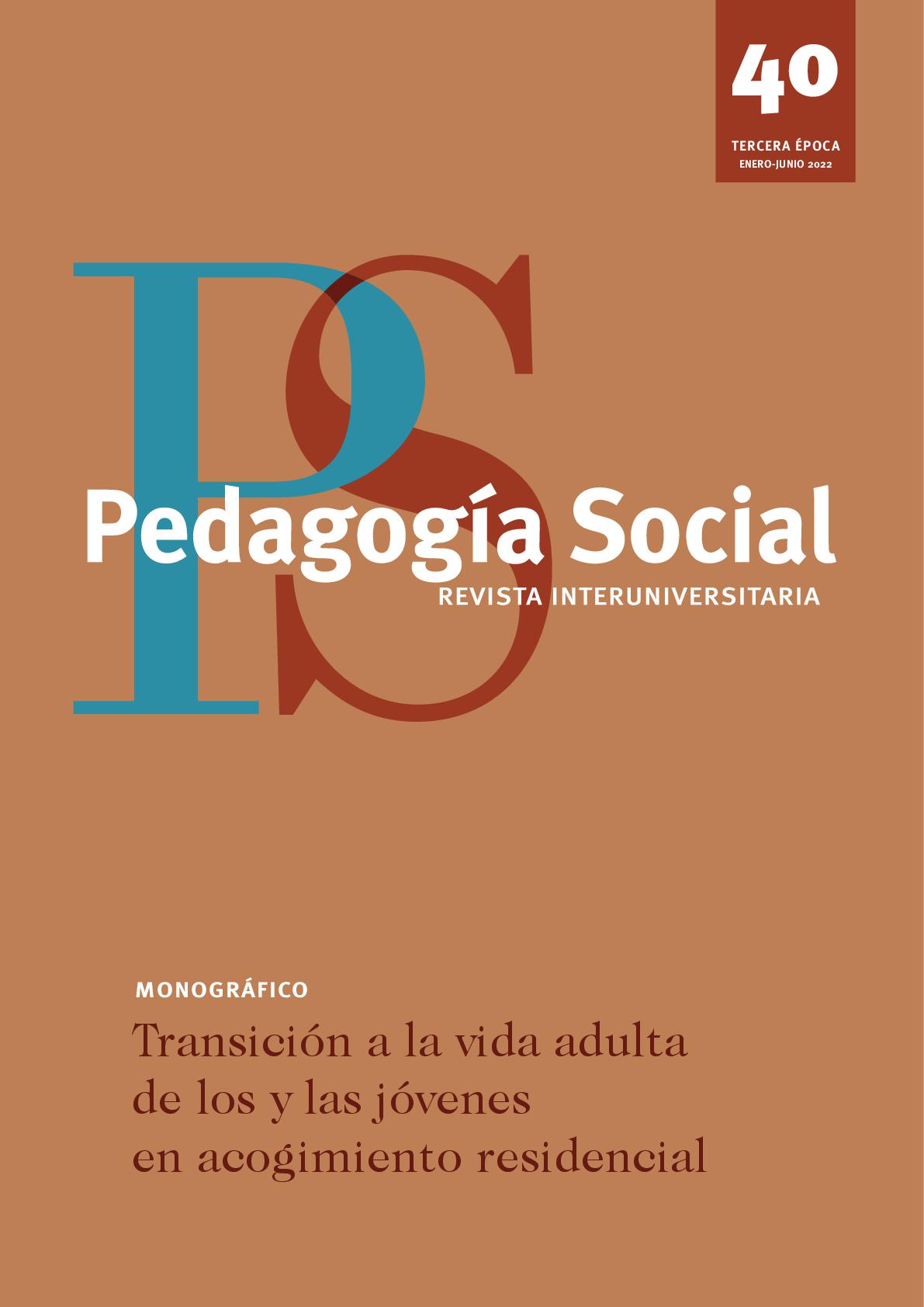
Percepciones sobre la preparación para el tránsito a la vida adulta: el caso de adolescentes y jóvenes de Colombia y Argentina
DOI:
https://doi.org/10.7179/PSRI_2022.40.05Palabras clave:
Adolescentes, Jóvenes, Preparación para la vida adulta, AutonomíaResumen
El objetivo de este artículo es describir las percepciones de adolescentes y jóvenes que están o estuvieron en procesos de protección, sobre las herramientas que les proporcionaron los sistemas de protección para su tránsito a una vida adulta. En este estudio transversal con alcance descriptivo correlacional participó un grupo de 276 adolescentes y jóvenes con edades entre los 16 y los 21 años (M=19,01; D.E.=1,475). El grupo fue seleccionado mediante muestreo por conveniencia. Para la recolección de la información se utilizó una adaptación de los cuestionarios EVAP y para el análisis de los datos se calcularon descriptivos y se realizaron comparaciones entre grupos y diferencias entre proporciones. Los resultados muestran que adolescentes y jóvenes valoran positivamente las herramientas que han adquirido en procesos de protección. El grupo de jóvenes de nacionalidad argentina valoró principalmente las estrategias que les permiten conseguir y mantener el trabajo, mientras que el grupo de jóvenes de Colombia valoró de manera especial: hábitos diarios, ahorro, gestión de la documentación, cuidado del cuerpo y la salud y el mantener relaciones de amistad. Finalmente, es de destacar que quienes están en procesos de protección realizan mejores valoraciones que quienes han egresado del sistema. Los elementos analizados sugieren la importancia de que existan en los sistemas de protección espacios de retroalimentación en los cuales puedan ser escuchadas las voces de quienes ya han egresado, así como también espacios de intercambio de experiencias entre quienes aún se encuentran vinculados y quienes ya han egresado, pues esto permite resaltar el valor que pueden tener las estrategias de trabajo que se realizan al interior de los sistemas de protección o propiciar la emergencia de planteamientos innovadores a partir de las ideas de las/os jóvenes.
Descargas
Descargas
Publicado
Cómo citar
Número
Sección
Licencia
Derechos de autor 2022 Pedagogía Social. Revista Interuniversitaria

Esta obra está bajo una licencia internacional Creative Commons Atribución-NoComercial-CompartirIgual 4.0.
Derechos de reproducción y archivo
La versión publicada de los artículos podrá ser autoarchivada por sus autores en repositorios institucionales y temáticos de acceso abierto. No obstante la reutilización total o parcial de los mismos en nuevos trabajos o publicaciones deberá ser autorizada por Pedagogía Social. Revista Interuniversitaria.
Los trabajos publicados deberán ser citados incluyendo el título de la Revista, Pedagogía Social. Revista Interuniversitaria, nº, páginas y año de publicación.
Responsabilidades éticas
Pedagogía Social. Revista Interuniversitaria no acepta material publicado anteriormente en otros documentos. Los/as autores/as son responsables de obtener los permisos oportunos para reproducir parcialmente material de otras publicaciones y citar correctamente su procedencia. Estos permisos deben solicitarse tanto al autor/a como a la editorial que ha publicado dicho material.
Es obligación de Pedagogía Social. Revista Interuniversitaria detectar y denunciar prácticas fraudulentas.
En la lista de autores/as firmantes deben figurar únicamente aquellas personas que han contribuido intelectualmente al desarrollo del trabajo.
La revista espera que los/as autores/as declaren cualquier asociación comercial que pueda suponer un conflicto de intereses en conexión con el artículo remitido.
Los autores deben mencionar en el manuscrito, preferentemente en el apartado del método, que los procedimientos utilizados en los muestreos y controles han sido realizados tras la obtención de consentimiento informado.
La revista no utilizará ninguno de los trabajos recibidos con otro fin que no sea el de los objetivos descritos en estas normas.
Aviso de derechos de autor/a
© Pedagogía Social. Revista Interuniversitaria. Los originales publicados en las ediciones impresa y electrónica de esta Revista son propiedad del Pedagogía Social. Revista Interuniversitaria, siendo necesario citar la procedencia en cualquier reproducción parcial o total.
Salvo indicación contraria, todos los contenidos de la edición electrónica se distribuyen bajo una licencia de uso y distribución “Creative Commons Reconocimiento-No Comercial 3.0 España” (CC-by-nc). Puede consultar desde aquí la versión informativa y el texto legal de la licencia. Esta circunstancia ha de hacerse constar expresamente de esta forma cuando sea necesario.