
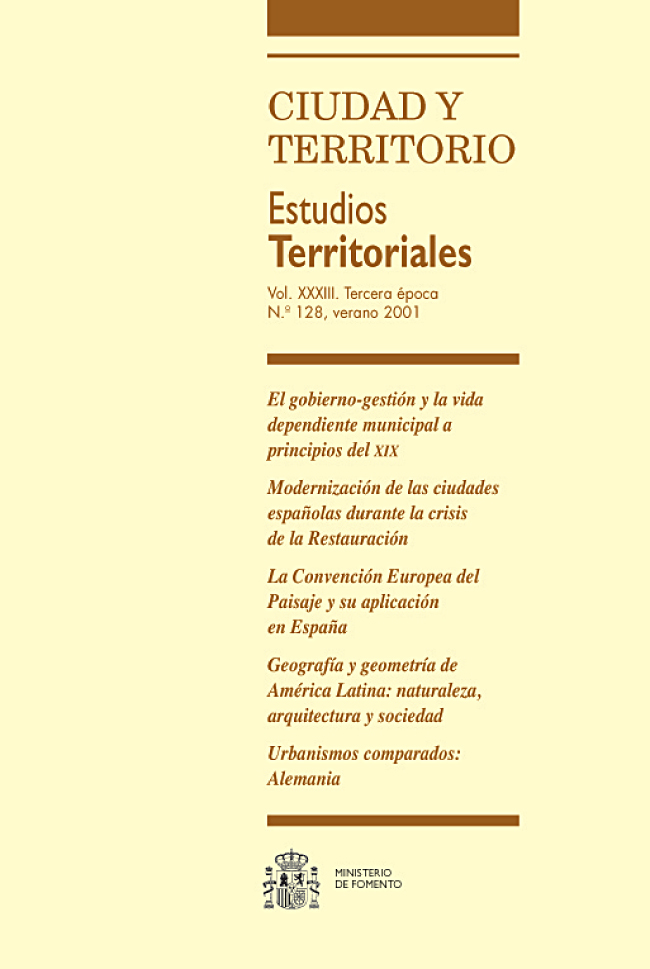
Geografía y geometría en América Latina: naturaleza, arquitectura y sociedad
Palabras clave:
Arquitectura, urbanismo, América LatinaResumen
El debate actual sobre los efectos de la globalización en el territorio, la ciudad y la arquitectura,
motivó discrepancias sobre la existencia de modelos homogéneos universales o la radicalización de identidades
y tradicionales locales. En el presente ensayo se intenta demostrar que América Latina posee una
geografía compleja y heterogénea que albergó estructuras sociales multiraciales y multiculturales, generadoras
de trazados urbanos y diseños arquitectónicos diversificados, surgidos del diálogo con los atributos específicos
del inconmensurble contexto natural. Para ejemplificar algunas tendencias dominantes en la interacción
entre geografía y geometría en el Hemisfrio, fueron seleccionadas las Escuelas Nacionales de Arte
de La Habana, el Museo de Arte Contemporáneo de Niterói y las intervenciones en la “Favelas” de Río de
Janeiro.
Descargas
Descargas
Publicado
Cómo citar
Número
Sección
Licencia
Derechos de autor 2001 Roberto Segre

Esta obra está bajo una licencia internacional Creative Commons Atribución-NoComercial-SinDerivadas 4.0.
Sin perjuicio de lo dispuesto en la legislación vigente sobre Propiedad Intelectual, y conforme a la misma, el/la los/las autor/a/es/as que publiquen en CyTET cede/n a título gratuito, de modo no exclusivo y sin límite temporal al Ministerio de Transportes, Movilidad y Agenda Urbana los derechos para difundir, reproducir, comunicar y distribuir en cualquier formato actual o futuro, en papel o electrónico, la versión original o derivada de su obra bajo licencia de Creative Commons Reconocimiento-NoComercial-SinObraDerivada 4.0 Internacional (CC BY-NC-ND 4.0), así como para incluir o ceder a terceros la inclusión de su contenido en índices, repositorios y bases de datos nacionales e internacionales, con referencia y reconocimiento en todo caso de la autoría del mismo.
Además, al realizar el envío, el/la los/las autor/a/es/as declara/n que se trata de un trabajo original en el que se reconocen las fuentes que han sido utilizadas en su estudio, comprometiéndose a respetar la evidencia científica y a no modificar los datos originales para verificar o refutar una hipótesis de partida; que el contenido esencial del mismo no ha sido publicado previamente ni se publicará en ninguna otra obra o revista mientras esté en proceso de evaluación en la revista CyTET; y que no se ha remitido simultáneamente a otra publicación.
Los autores deben firmar un Formulario de Cesión de Derechos, que les será enviado desde la Secretaría de CyTET una vez se acepte su artículo para ser publicado.
Con el objetivo de favorecer la difusión del conocimiento, CyTET se adhiere al movimiento de revistas de Open Access (OA) y entrega la totalidad de sus contenidos a diversos índices, repositorios y bases de datos nacionales e internacionales bajo este protocolo; por tanto, la remisión de un trabajo para ser publicado en la revista presupone la aceptación explícita por parte del autor/a de este método de distribución.
Se anima a las/os autoras/es a reproducir y alojar sus trabajos publicados en CyTET en repositorios institucionales, páginas web, etc. con la intención de contribuir a la mejora de la transferencia del conocimiento y de la citación de dichos trabajos.



 Enlace a CyTET en Linkedin
 Hashtag en Twitter: #RevistaCyTET