The effectiveness of video-based virtual reality in art education for the development of social and emotional intelligence in high school students
La efectividad de la realidad virtual basada en video en la educación artística para el desarrollo de la inteligencia social y emocional en estudiantes de secundaria
https://doi.org/10.4438/1988-592X-RE-2024-406-640
Jing Xu
Yangzhou University
Abstract
Curriculum influences the intellectual, social and psychoemotional aspect of personality development. The understanding of the role that one’s age and education have in personality development contributed to the innovative approach of social and emotional learning (SEL). This study compares changes in social and emotional development in older adolescents (15-19 years old) who attended art and art history classes with video-based virtual reality. For this, psychodiagnostic testing, comparative analysis, and statistical research methods were used. Emotional intelligence tests were based on the scientifically proven trait theory known as the Big Five. Johnson’s IPIP-NEO-300 was used as a convenient tool for the quick diagnostics of a large group of respondents. Four groups of senior year students from various high schools were randomly selected to attend the 6-week Art Curriculum Academic Program, specially developed based on the principle of synthesis of arts. Psychodiagnostic testing was conducted at the beginning and at the end of the experiment. The results were compared with those for the control group of senior students, who did not attend art classes. The study found statistically reliable and significant differences across all scales of the Self-Attitude Questionnaire and IPIP-NEO-300 test. It proves the positive, stimulating effect of the SEL Program on personality development, self-esteem and communication skills. The present findings confirm the initial hypothesis that the developed SEL Program affects the emotional intelligence and social skills of students. The findings also demonstrate the importance of social and emotional learning for career guidance, self-determination and self-fulfillment (success drivers).
Keywords: academic programs, adolescents, Art Curriculum, learning, social and emotional learning.
Resumen
El plan de estudios influye en el aspecto intelectual, social y psicoemocional del desarrollo de la personalidad. La comprensión del papel que la edad y la educación tienen en el desarrollo de la personalidad contribuyó al enfoque innovador del aprendizaje social y emocional (SEL). Este estudio compara los cambios en el desarrollo social y emocional en adolescentes mayores (15-19 años) que asistieron a clases de arte e historia del arte con realidad virtual basada en video. Para ello se utilizaron pruebas de psicodiagnóstico, análisis comparativo y métodos de investigación estadística. Las pruebas de inteligencia emocional se basaron en la teoría de los rasgos científicamente probada conocida como los Cinco Grandes. El IPIP-NEO-300 de Johnson se utilizó como una herramienta conveniente para el diagnóstico rápido de un gran grupo de encuestados. Cuatro grupos de estudiantes de último año de varias escuelas secundarias fueron seleccionados al azar para asistir al Programa Académico del Currículo de Arte de 6 semanas, especialmente desarrollado en base al principio de síntesis de las artes. Se realizaron pruebas de psicodiagnóstico al principio y al final del experimento. Los resultados se compararon con los del grupo de control de estudiantes de último año, que no asistieron a clases de arte. El estudio encontró diferencias estadísticamente confiables y significativas en todas las escalas del Cuestionario de Actitud Personal y la prueba IPIP-NEO-300. Demuestra el efecto positivo y estimulante del Programa SEL en el desarrollo de la personalidad, la autoestima y las habilidades comunicativas. Los presentes hallazgos confirman la hipótesis inicial de que el Programa SEL desarrollado afecta la inteligencia emocional y las habilidades sociales de los estudiantes. Los hallazgos también demuestran la importancia del aprendizaje social y emocional para la orientación profesional, la autodeterminación y la autorrealización (impulsores del éxito).
Palabras clave: programas académicos, adolescents, Currículo de Arte, aprendiendo, aprendizaje social y emocional.
Introduction
The problem of adolescence, which, according to the current WHO classification, covers the age of 10-19 years, has been the subject of numerous research in educational psychology (Altwaijri et al., 2020). During this time, a person goes through two crisis periods:
- the puberty-related crisis at the age of 13, and
- the crisis of 17 years. which is a crisis of adulthood, when school education is completed, a new adult role is assumed, professional self-determination and planning an independent future life takes place.
This is a unique period - a critical age that affects all areas of human mental development, including motivational and cognitive aspects, when the development and consolidation of social and emotional habits becomes the key to ensuring future health and well-being, successful social molding of the individual (Altwaijri et al., 2020). Academic programs for adolescents and young people are therefore of particular interest because they influence the molding of personality, intellectual and psychoemotional development. Understanding of the importance of this age in the life of an individual and the determining role of education in the molding of one’s personality contributed to the emergence of the innovative approach of social and emotional learning (SEL). This approach originated back in the 1970s (Weissberg, 2019), and has not lost its importance since then, becoming increasingly popular in recent years. Despite the regular publications of research papers and monographs on SEL issues, many practical aspects remain contradictory and underdeveloped. This determined the study’s purpose: to compare changes in the social and emotional development of older adolescents (15-19 years old according to the WHO classification) who attended classes in the basics of art and art history using video-based virtual reality.
Literature Review
Virtual Reality (VR) is a technology that provides immersion and experience through three-dimensional modeling (Wu et al., 2023). It is an interactive spherical representation that gives participants a sense of presence (Abich et al., 2021). Although researchers note the positive impact of virtual reality on students’ academic performance, there are certaing problems associated with its use in a classroom (Lindquist et al., 2020). VR can differently affect the physiological state of students and cause dizziness in some individual cases (Farič et al., 2019). At the same time, the high cost and complexity of implementation complicate the VR use (Lin et al., 2021). In addition, it is difficult for teachers to develop VR training materials since they do not have required knowledge (Yu, 2023).
In recent years, a number of video-based spherical virtual reality (SV-VR) systems and resources have been developed. The systems can meet requirements of the learning environment (Wu et al., 2023). They are more affordable and only require the use of a panoramic camera to create videos (Lindquist et al., 2020). Immersive video allows the viewer to freely watch 360-degree videos, controlling the content and desired viewing angles (Farič et al., 2019). In addition, this technology facilitates solving the problem of virtual reality excessive dependence on 3D modeling. Compared to virtual reality technologies based on 3D models, SV-IVR saves a significant amount of time. Due to technological progress, the development of mobile applications and the popularity of 360-degree cameras, it is possible to create 360-degree spherical images or videos (Wu et al., 2023). Thus, SV-IVR provides exceptional opportunities for education (Yu, 2023).
Social and emotional learning (SEL) focuses on:
- acquiring the knowledge, attitudes and skills necessary to be aware of one’s emotions and feelings and to be able to manage them;
- showing empathy for other people, developing and maintaining good relationships with them;
- setting and achieving meaningful goals and making responsible decisions (Thierry et al., 2022).
SEL creates opportunities and contributes to the effective solution of everyday tasks and problems (Weissberg, 2019). The combination of SEL with other similar approaches improves students’ internal, interpersonal and cognitive competencies (Murano et al., 2020). SEL provides learners with such social and emotional competencies as self-awareness, self-management, social awareness, relationship skills and responsible decision-making (Humphrey et al., 2020). The preventive functions of SEL strengthen physical and mental health, contribute to the quality of life and success in the labor market (Jones et al., 2019).
Social, emotional and cognitive development are interconnected in the brain and human behavior, affecting learning outcomes, lifestyle and social success. As a result, related issues have become the focus of attention from education and health authorities, politicians, non-governmental organizations and the media (Jones et al., 2019).
Social and emotional traits of adolescents:
- are assessed using psychodiagnostic tools to determine self-esteem, perseverance and self-efficacy (Primi et al., 2019);
- depend on personality factors and affect socio-economic aspects (Primi et al., 2019).
Proven by Boon-Falleur et al. (2020), correlating with behavior. Art curriculum should meet the interests and social emotional needs of students (Eddy et al., 2021), as they represent a crucial component of adolescent education (Hoffmann et al., 2020) and affect personality development and well-being (Green et al., 2021).
The social and emotional learning is based on the idea that arts are central to human development and that every student has the right to develop creative thinking (Ewing, 2020). The specific nature of art forms in an educational context translates into inclusion of game elements and other means that influence emotional development (Ewing, 2020), critical and creative thinking (Ewing, 2020). Participation in art activities has a positive impact on self-confidence, self-esteem, relationship building and sense of belonging - qualities associated with resilience and mental health. SEL programs normalize students’ self-esteem, improving their self-confidence (Gueldner et al., 2020). Such programs have a positive impact on reading comprehension, learning math and research basics (Cipriano et al., 2023). However, while recognizing the significant opportunities offered by SEL programs, researchers (Omasta et al., 2021) caution against their popularization based on perceived external benefits. The development of adolescents’ social and emotional skills improves personal achievements. However, assessing these skills involves a number of visionary and methodological challenges that require innovative methodological approaches (Guo et al., 2023). SEL can be used as a method to improve the overall effectiveness and positive perception of the academic program (Mussey, 2019).
The division into general academic programs and SEL programs is purely theoretical because essentially the entire teaching process has social and emotional focus (Frey et al., 2019). Creating learning environments in which students collaborate with instructors to acquire social and emotional skills is considered as a positive alternative to the traditional school discipline model (Voith et al., 2020). The comprehensive SEL model helps to:
- develop students’ sense of self and confidence in their abilities and build social communication skills (Mahoney et al., 2021);
- meet emotional needs, thus improving the teaching effectiveness (Van Tassel-Baska et al., 2021).
The importance of students’ social and emotional development contributes to using such development as a measure of learning, along with measures of academic achievement (Mahoney et al., 2021).
Research Objectives
- to analyze available research data on the issues of social and emotional learning (SEL), evaluation of its methods, and Art Curriculum Academic Programs;
- to develop an academic program for art and art history and determine its effectiveness in developing the social and emotional intelligence of high school students (16-17 years old);
- to process the results using statistical tools, discuss the significance of such results, and draw appropriate conclusions.
The research hypothesis holds that there is a direct correlation between enrollment in an academic program of art and art history and the social and emotional intelligence of high school students.
There are several reasons to choose a visual arts lesson to conduct research. A visual arts lesson has a wide range of visual elements, such as colors, shapes, textures, and so forth. It can cover various artistic techniques and styles, creating a multidimensional learning environment. Art lessons promote the creative expression of students by allowing them to express their thoughts, feelings, and ideas through the creative process. The use of virtual reality can further expand the possibilities of creative expression. The selected academic program in art history rests on the principle of art synthesis. It includes elements of various art disciplines, providing a unique and integrated approach to learning. Visual arts not only promote the cognitive development of students but also affect their social and emotional development. Therefore, virtual reality can allow for an even deeper emotional connection to art. The use of virtual reality brings elements of innovation and modernity to the educational process, providing students with the opportunity to interact with the latest technologies.
Materials and Methods
A quasi-experimental research design was used, which involved dividing the participants into a control group and an experimental group. Art History was chosen as the discipline to be taught. The research methods used in the study included psychodiagnostic testing, comparative analysis, and statistical research methods.
Participants
The study randomly selected two groups of high school students from different high schools to take a 6-week academic Art History program designed around the principle of art synthesis. There were 86 students in the experimental group (42 boys and 44 girls) and 89 students in the control group (43 boys and 46 girls). The average age of respondents in the experimental group was 15.7 years, and the average age of respondents in the control group was 15.8 years. In the experimental group, the SV-IVR training system was applied, while the traditional method of teaching using technology was used in the control group. Before the start of the experimental training, each participant of the experimental group gained access to Google Cardboard. The participants had no problems with vision or hearing. The study participants represented different socio-economic strata of the Chinese region. In particular, high school students from cities and villages participated in the program. The ethno-cultural composition of the research sample was also diverse, covering different cultural and ethnic groups of the region. Given the diversity of participants, the socio-cultural context could have influenced their perception of virtual reality during the academic program. This fact may allow for summarizing the results of the study for various social and ethno-cultural groups in this region.
The learning process
The SV-IVR learning system is based on a systematic and cyclical learning process. According to the learning content, students enter the location of each module to experience and learn how to use the system. The background voice prompts facilitate the process. For a limited time, students must answer questions related to their knowledge. If they answer all the questions correctly, they can move on to the next module, otherwise they have to re-study the failed module. This cyclical learning process allows students to learn each module in depth. The system also includes various interactive activities. The teacher asks quick, thought-provoking questions, and then helps students find answers during the learning process. Students have to upload their answers to an internal database. The expectation was that through this interaction, students would be encouraged to be proactive and engaged, giving them multiple levels of feedback and reflection and guiding them toward high-level thinking. The 40-minute sessions were conducted three times a week for a month and a half. During the experiment, the students had the opportunity to participate both individually and in groups, depending on the design of the classes. Some tasks and activities required individual interaction with virtual reality. Therefore, each participant could focus as much as possible on their experience and study the material. On the other hand, some tasks stimulated collective interaction, allowing students to work in groups. These tasks contributed to communication skills, mutual understanding, and cooperation, which are also important aspects of social development. The role of the teacher in this context was mainly facilitative. The teacher acted as a guide, assisted students in working with virtual reality, provided explanations, and contributed to the discussion of the results. The teacher also monitored the overall progress of the group and the individual development of each student. As a result, it was possible to tailor the educational process to the needs of each participant.
Program
The academic program provided for studying the history of Art and Applied Arts through an immersive experience. It focused on revealing key periods and styles in the world of art and developing creative skills. The program used interactive virtual excursions to museums and exhibitions, and virtual reconstructions of artistic masterpieces. It also employed VR for interactive drawing and modeling and involved contemporary artists to conduct virtual master classes. There were 360-degree virtual tours of art workshops, studios, and art galleries. The students performed creative tasks in a virtual environment. As video content, the students used short films about the life and work of great artists. Virtual exhibitions aimed to develop skills in art criticism and analysis, while interactive virtual laboratories facilitated experiments with shape and color. The videos allowed the students to master artistic techniques, stimulating their creative thinking and emotional immersion. The goals of the program were to develop skills in group collaboration, discussion, and cooperation, as well as expand the perception and expression of emotions through the creative process.
Research Tools
The psychodiagnostic study was conducted twice: before and after the experiment. Valid psychodiagnostic methods were used: the Self-attitude Questionnaire (Psylab, 2021) and the IPIP-NEO-120 test (Sleep et al., 2021), which is a modern version of the classic Big Five test. The distinction between the content of self-concept (knowledge or ideas about oneself, an assessment of the expression of certain traits) and self-attitude forms the theoretical basis of the Self-attitude Questionnaire. The questionnaire reveals three levels of self-esteem, which vary in the degree of generalization:
- global self-attitude;
- self-attitude, differentiated into self-esteem, self-affection, self-interest, and expectations about oneself;
- level of specific actions (readiness for such actions) concerning oneself.
Emotional intelligence tests assess a person’s ability to recognize and understand both their own emotions and the emotions of others on which their interactions with others are based. These tests are based on a scientifically based trait theory known as the Big Five. This technique uses a factor analysis of verbal descriptions of human traits, which describes how people perceive each other and how individuals adapt to their environment, taking into account their biological traits. As the name implies, the Big Five model examines five common and relatively independent personality traits (dispositions):
- extroversion;
- agreeableness (friendliness, ability to negotiate);
- conscientiousness;
- neuroticism (the opposite of which is emotional stability);
- openness to experience (intellect).
In 2014, J.A. Johnson developed the IPIP-NEO-120 questionnaire, a shortened version of the IPIP-NEO-300 questionnaire created in 1999 by L. Goldberg, author of the Big Five model, which consists of five scales including 30 aspects of the model. The current study used this questionnaire, consisting of 120 questions, as a more convenient tool for rapidly diagnosing a large group of respondents.
Statistical data processing
Research results was processed using Excel software and an online calculator.
Ethical issues
This study complies with the Convention on the Rights of the Child, the principles of informed consent and other principles of bioethics. Given the age of the respondents, permission to conduct the experiment was obtained not only from the Ethics Committee, but also from instructors (who assisted in program implementation and monitored compliance with the principles of bioethics) and parents.
Results
First, the authors conducted a comparative study of the experimental and control groups using the Self-Attitude Questionnaire. The results differed slightly between the groups, but were comparable, and for some scales, there were no statistically significant differences. Average scores prevailed on all scales, which is logical, as they reflect the norm. However, even though their scores remained within the norm, both groups scored the lowest on the Attitudes Expected from Others scale. This observation suggests that some respondents had communication problems and expectations of an adverse attitude from others, which might result from both personality traits and adverse experiences.
The experimental and control groups showed comparable baseline results on IPIP-NEO-120. No statistically significant differences were observed in altruism, modesty, self-awareness, and adventurism. Mean values also prevailed here, but relatively lower scores were observed for activity, collaboration and, in particular, self-efficacy and self-discipline. Moderately high scores on imagination and daydreaming (which proved to be underdeveloped in some of the studied adolescents) are also worth mentioning. They could indicate a personality trait, but imagination should be more vivid in childhood and adolescence. Therefore, the authors tend to attach more importance to social factors and the lack of attention to an individual’s creative development in this issue. The following tables present the results of psychodiagnostic testing of the experimental group conducted before and after the experimental academic program in art: Table I – Self-Attitude Questionnaire indicators, and Table II – the Big Five.
TABLE I. Self-Attitude indicators of respondents in the experimental group before (A) and after (B) the academic program in art
Scale |
Student’s t-test |
р |
S (Global self-attitude) |
3.713 |
>0.05 |
I (Self-esteem) |
3.531 |
>0.05 |
II (Self-affection) |
4.743 |
>0.05 |
III (Attitudes Expected From Others) |
4.238 |
>0.05 |
IV (Self-interest) |
4.238 |
>0.05 |
1 (Self-confidence) |
6.576 |
>0.05 |
2 (Attitude of others) |
4.743 |
>0.05 |
3 (Self-acceptance) |
4.743 |
>0.05 |
4 (Self-guidance, self-consistency) |
6.069 |
>0.05 |
5 (Self-blame) |
3.333 |
>0.05 |
6 (Self-interest) |
2.953 |
>0.05 |
7 (Self-understanding) |
5.405 |
>0.05 |
Source: Compiled by the author.
TABLE II. IPIP-NEO-120 results among respondents in the experimental group before (A) and after (B) the academic program in art
Scale |
Subscale |
Student’s t-test |
р |
Extroversion |
Friendliness |
6.748 |
<0.05 |
Gregariousness |
4.065 |
<0.05 |
|
Assertiveness |
4.238 |
<0.05 |
|
Activity Level |
5.240 |
<0.05 |
|
Excitement-Seeking |
3.713 |
<0.05 |
|
Cheerfulness |
5.571 |
<0.05 |
|
Agreeableness |
Trust |
1.092 |
>0.05 |
Morality |
5.240 |
<0.05 |
|
Altruism |
3.531 |
<0.05 |
|
Collaboration |
5.736 |
<0.05 |
|
Modesty |
2.184 |
<0.05 |
|
Sympathy |
5.075 |
<0.05 |
|
Conscientiousness |
Self-Efficacy |
7.275 |
<0.05 |
Orderliness |
5.736 |
<0.05 |
|
Dutifulness |
3.537 |
<0.05 |
|
Achievement-Striving |
4.238 |
<0.05 |
|
Self-Discipline |
5.902 |
<0.05 |
|
Cautiousness |
5.405 |
<0.05 |
|
Neuroticism |
Anxiety |
4.910 |
<0.05 |
Anger |
6.406 |
<0.05 |
|
Depression |
5.736 |
<0.05 |
|
Self-Consciousness |
7.275 |
<0.05 |
|
Immoderation |
3.152 |
<0.05 |
|
Vulnerability |
7.455 |
<0.05 |
|
Openness to Experience |
Imagination |
7.638 |
<0.05 |
Artistic Interests |
4.408 |
<0.05 |
|
Emotionality |
6.748 |
<0.05 |
|
Adventurousness |
4.910 |
<0.05 |
|
Intellect |
2.953 |
<0.05 |
|
Liberalism |
0.445 |
>0.05 |
Source: Compiled by the author.
In these studies, the authors used Student’s t-test for related populations, which allowed comparing the results before and after the special academic program was introduced. The authors obtained statistically reliable and significant differences across all Self-Attitude scales. The respondents in the experimental group had a statistically significant increase in self-respect (a high score was achieved initially by 20.9% of respondents, and then by 29.1% of respondents in the follow-up study); self-interest (a high score at the beginning was shown by 18.6% of respondents, and then by 32.6% of respondents after completion of the academic program in Art); self-affection (high score at the beginning of the study (16.3%), then 29.1%, and the indicators on the Attitudes Expected From Others scale – such increase seems to be particularly important (a high score was achieved by 22.1% of respondents against the initial 11.6%, and the number of examinees with low scores changed from 12.8% to 5.8%). Self-acceptance and self-blame indicators were normalized.
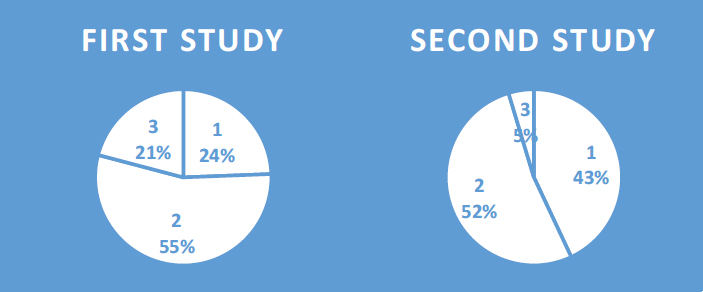
After the experiment, the percentage of respondents with high IPIP-NEO-120 scale scores increased significantly. There were improvements in the following traits. Extroversion scale: friendliness (from 24.4 to 43.0%); gregariousness (from 18.6 to 26.9%); assertiveness (from 14.0 to 18.6%); activity level (from 19.8 to 30.2%). Agreeableness scale: trust (from 27.9 to 37.2%); morality (from 17.4 to 32.6%); altruism (from 19.8 to 27.9%); collaboration (from 15.1 to 32.6%); and sympathy (from 22.1 to 37.3%). Conscientiousness scale: self-efficacy (from 11.6 to 31.4%); orderliness (from 9.3 to 18.6%); dutifulness (from 8.1 to 20.9%); achievement-striving (from 23.3 to 32.6%); self-discipline (from 10.5% to 24.4%). Openness to Experience scale: imagination (from 7.0 to 32.6%); artistic interests (from 36.0 to 51.2%); emotionality (from 14.0 to 39.5%); intellect (from 33.7 to 40.7%). The percentage of respondents with average modesty and cautiousness scores increased from 61.6% and 64.0% to 77.9% and 80.2%, respectively. The same trend was observed for adventurousness. There were no statistically significant differences in liberalism scores.
Normalization was achieved on the Neuroticism scale, as evidenced by an increase in the percentage of average scores on anxiety (from 74.4 to 84.8%), anger (from 77.9 to 80.2%), self-consciousness (from 57.0 to 79.1%), and immoderation (from 76.7 to 84.9%). Positive changes in depression (from 2.3 to 20.9%) and vulnerability (7.0 to 27.9%) scores manifest as an increase in the percentage of respondents with low scores. Figure 1 shows changes in some indicators in the experimental group. No statistically significant changes were observed between the follow-up and baseline scores in the control group. Hence, there is no reason to present their results.
FIGURE I. Baseline (blue) and Follow-up (red) Results from the Self-Attitude Questionnaire methodology

Source: Compiled by the author.
This diagram shows that the overall performance, both before and after the experiment, is within the age norm. However, the authors observed a visible improvement on a number of scales (i.e., a higher percentage of respondents with higher scores), which suggests a positive, stimulating effect of the proposed program on personality development, self-esteem, and communication skills. The following diagrams illustrate changes in some IPIP-NEO-120 subscales.
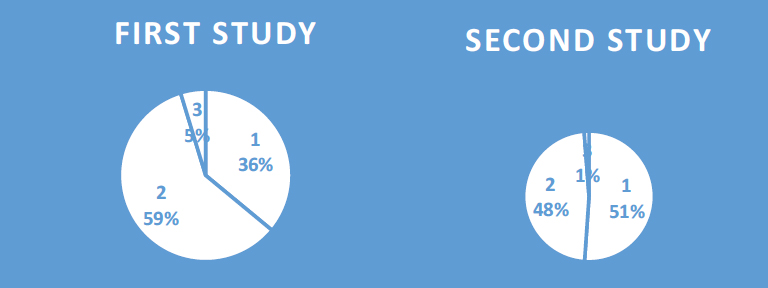
The paper format does not allow providing a graphical representation of the changes for all IPIP-NEO-120 scales and subscales. However, Figures 2-4 give a holistic view of the positive impact of the academic program in art on the social and emotional aspects of the respondents’ personalities.
FIGURE II. The Percentage of Respondents with High (1), Average (2), and Low (3) Friendliness Scores
Source: Compiled by the author.
FIGURE III. The Percentage of Respondents with High (1), Average (2), and Low (3) Activity Level Scores

Source: Compiled by the author.
FIGURE IV. The Percentage of Respondents with High (1), Average (2), and Low (3) Artistic Interests Scores
Source: Compiled by the author.
Discussion
The positive impact of the proposed academic program in art on adolescents’ self-attitude in general and on the components of such self-attitude is observed. This refers to essentially healthy respondents, who showed average normality in all test results during the initial study. The differences between the experimental and control groups were minimal, and no statistical difference was observed for individual scales. However, some deviations of the indicators from their average levels pointed out to the problems of self-esteem and communication of individual examinees, which can be interpreted as both personality traits and defects of upbringing, or an adverse impact of the society. These deviations from the average levels were observed in both tests, between the indicators of which a pronounced positive correlation (with correlation coefficient = 0.83) was observed. The analysis of indicators on the scales and subscales of the Self-Attitude Questionnaire yields a number of key points. The Self-Respect scale shows the examinee’s ability to control their life, to be consistent, to believe in their abilities, and to understand themselves. In general, the predominantly good average scores (73.3% of respondents) and even high scores (20.9% of respondents) on this scale were observed in the initial study. However, 5.8% of respondents scored low (less than 50 points), suggesting a lack of independence and self-confidence. The art classes allowed these adolescents to discover their personal creativity (Guo et al., 2023), which gave confidence and determination, shown in the increased number of respondents who improved their scores on this scale in the follow-up study, when 29.1% of the examinees demonstrated a high level, with only 1.2% having a low level.
The Self-Affection scale shows an examinee’s attitude (friendly or hostile) to themselves. As it turned out in the initial study, almost 10% of respondents tended to treat themselves in an adverse way by not accepting, or blaming, themselves. On top of that, the answers in terms of the additional scales complemented and clarified the answers to the main scales and showed a direct correlation with them (with the correlation coefficient of 0.96). The adverse attitudes on this scale pointed out to the perception of one’s own shortcomings to the detriment of one’s strengths, low self-esteem, and willingness to blame oneself. Adverse self-attitudes can be expressed in corresponding adverse emotional responses (Boon-Falleur et al., 2020). Art classes improved the situation on this scale by changing self-attitude, self-acceptance, and self-esteem.
Art classes allowed adolescents to try their creativity and discover hidden talents, abilities for activities they had not previously thought of (Ewing, 2020). This increased self-interest, as well as interest in own thoughts and feelings, and created confidence that one could be interesting to other people as well. This change is shown in the Attitudes Expected from Others scale, where 7.0% of respondents changed their expectations from negative to positive. About 22.1% of respondents showed a high score during the follow-up study, while such score was observed only in 11.6% of cases during the initial study. It is likely that the initial adverse expectation was due to a failed past experience, offensive criticism or one’s own dissatisfaction with attempts at artistic activities (Jagers et al., 2019). The SEL program promoted students’ self-expression and self-affirmation, and collective creativity helped to develop communication skills, which is consistent with the research literature (Sprenger, 2020). Therefore, the present research on the Self-Attitude Questionnaire methodology proves the positive impact of the academic program in art on the students’ social and emotional development.
To support this statement, the authors used the IPIP-NEO-120 questionnaire, which assesses a person’s personality traits compared to the personality traits of others. The extroversion scale shows a person’s commitment towards communication and action, while low scores on this scale are more typical for introverts – people who prefer silence and solitude and social disengagement. Adolescents are described by increased communication, herd behavior, and even in today’s digital world, they communicate a lot – not only through physical meetings but also in social media, where they are very active. Therefore, low scores on this scale may be a manifestation of introversion as a personal trait and may suggest social estrangement due to adverse experiences and neurotization of the personality. This assumption is supported by an overall increase in scores on both the Extroversion scale (and its subscales) and the normalization of scores on the Neuroticism scale and Depression subscale. The average extroversion score of most of the examinees suggests that their emotions are balanced. Low scores on the friendliness subscale may be related to emotional restraint as a personality trait, or may reflect hostility toward the world around. The scores on this subscale are complemented by the sociability subscale, low scores on which indicate a preference for privacy (Kolyadenko et al., 2008).
Increasing the score on the extroversion scale does not mean that the proposed art education methodology seeks to make all adolescents active socially despite their innate personality traits. Rather, it focuses on overcoming internal communication barriers, fear and distrust of the world around, promoting effective communication in the process of a meaningful and creative activity. Today’s adolescents often spend too much time at computers, experiencing problems controlling their time and attention. Adolescents often associate activity with thrilling challenges and living on the edge, while passivity is associated with laziness and problems of self-organization. Increased activity in the present study was distinguished by the fact that it was associated with the strengthening of creative activity, which was an incentive for communication and learning, personal development and self-knowledge.
The activity subscale is correlated with the vigor subscale, which measures positive mood and feelings, whereas low scores on this scale point out manifestations of neuroticism. The increased score on this scale is explained by the fact that the creation of art objects contributed to positive emotions, the joy of their achievements, the emergence of enthusiasm, and the optimistic plans for the future.
Increased scores on the agreeableness subscale suggest harmonization of respondents’ social relationships and development of their collaboration skills. Low scores on the trust scale indicate that other people are perceived as potentially dangerous, selfish, and deceptive. The proposed classes allowed adolescents to overcome these social fears to a significant extent, so high scores were shown by 37.2% of respondents in the follow-up study versus 27.9% in the initial study, and the number of respondents with low trust scores fell from 12.8% to 5.8%. Mistrust is often coupled with a misunderstanding of the basics of morality, accepting lies as a justifiable behavior pattern. It was therefore very pleasing to find a positive effect of art classes on the increased morality subscale scores, where high scores were initially observed in 17.4% of respondents, and during the follow-up study – in 32.6% of respondents.
The collaborative creativity in classes promoted not only self-understanding, but also empathy and, as a result, increased altruism and collaboration (Lang et al., 2020). Therefore, the academic program in art contributed to the studied adolescents’ positive socialization skills, the ability to be involved in collaborative creative activities, which will be useful for them in their future adult lives.
Intellectual activity involves goal setting, the ability to arrange and plan ways to achieve such goals (Sleep et al., 2021). An average score on the conscientiousness scale suggests sufficient organization and self-control. Self-discipline reflects the volitional component of personality, which is manifested in the ability to overcome the desire to put things off, not to be distracted and to persist in difficult or unpleasant tasks until they are accomplished. Normalization of these indicators is a predictive factor because it shows the impact of art classes on the development of a vital skill (Frey et al., 2019) that will come in handy in future careers and contribute to personal success.
People with increased neuroticism are more likely to interpret normal situations as threatening, and minor frustrations as hopelessly difficult (Sleep et al., 2021). Normalization of scores on this scale appears to be particularly important with respect to the depression subscale, because in adolescence even a contextual depressive response can trigger impulsive aggressive or self-aggressive behavior. Normalization of the neuroticism score suggests the development of the ability to cope with stressful and frustrating situations, to control emotions and to find meaningful solutions to arising problems.
Imagination is another trait to focus on. The authors assumed that students should have better imagination compared to adults but received mostly average numbers (73.3% of respondents) and numbers below average (Kraehe, 2020). The authors tend to explain such a situation, as well as a significant increase in the indicator due to art classes (high level of this subscale in the follow-up study was observed in 32.6% of respondents of the experimental group) by the lack of factors stimulating daydreaming, which is essentially the basis of innovative thinking – one of the key educational competencies in the modern society. The focus of training on getting ready-made, clear-cut solutions, and the fear of being misunderstood when verbalizing one’s ideas prove to be deterrents to students’ creative self-expression. In this context, art classes help to develop a thinking free of clichés, to give an impetus to creative search and thereby harmonize the personal development of adolescents. The initial study revealed that 36.0% of respondents in the experimental group and 37.1% of respondents in the control group had been interested in art before, but they often treated it aloof, as consumers. Now, thanks to the special academic program, the students in the experimental group have become familiar with art as its creators, and this has increased their interest in this topic (51.2% of the respondents in the follow-up study). In the course of the experiment, many students overcame their fears and discomfort in social situations, became more balanced and open to positive experiences, which suggests a change in their cognitive styles towards the development of creativity and a sense of beauty. Therefore, the present study confirms the original hypothesis of the impact of the proposed SEL program on students’ emotional intelligence and social skills and demonstrates the importance of social and emotional learning through the academic program in art for students’ career guidance, self-determination, and self-fulfillment as factors for future personal success.
Limitations
The study involved only a few high schools and a small sample of respondents. The results can be considered representative of all senior-year students in the given region, but other age and ethnocultural groups may yield different results. In addition, the paper did not compare the effectiveness of different SEL academic programs and teaching methods. This issue may be the focus of future research.
Conclusions
The comprehensive SEL model helps to develop sense of self and confidence in students, instill the ability to overcome difficulties, and promote social communication skills, such as teamwork and expertise sharing. Statistically reliable and significant (p <0.05) improvements across all Self-Attitude and IPIP-NEO-120 scales support this assertion. The academic program in art contributed to positive socialization skills and enhanced students’ ability to engage in collaborative creative activities, which will be useful in their adult lives. The normalization of scores on the Neuroticism scale confirms the positive social and emotional impact of the academic program in art. This appears to be particularly important with respect to the Depression subscale. In adolescence, even a contextual depressive response can trigger impulsive aggressive or self-aggressive behavior. Normalization suggests that students developed the ability to cope with stressful and frustrating situations, control emotions, and find meaningful solutions to arising problems. The focus on getting ready-made, clear-cut solutions in class and the fear of being misunderstood when verbalizing one’s ideas prove to be deterrents to creative self-expression. Art classes help to develop thinking free of clichés, to give an impetus to creative search and thereby harmonize the personal development of adolescents. In the course of the experiment, many students overcame their fears and discomfort in social situations, became more balanced and open to positive experiences, which suggests a change in their cognitive styles towards the development of creativity and a sense of beauty. Increased intelligence scale scores point to symbolic cognitive ability and, depending on each individual’s particular ability, can take the form of mathematical, logical or geometric reasoning, artistic and metaphorical use of language, musical composition or performance, or one of many visual or performing arts.
A study of the VR-based SEL program in the visual arts for older adolescents revealed several implications and potential advantages for education and other areas. The results of the study indicate a positive impact of the SEL program on students’ emotional intelligence and social skills. This benefit may be a key aspect of implementing this and similar programs for high school students. The study confirms that the program affects the self-esteem and communication skills of students. Therefore, it can become the basis for improving personal development and preparing for future communication in today’s society. The results indicate the importance of social and emotional learning for career guidance, self-determination, and self-realization. This fact can be a motivation for implementing such programs on a large scale in the educational system. The success of implementing virtual reality in visual art education can become a model for using similar approaches in teaching other subjects aimed at social and emotional development. Innovative methods of social and emotional learning can apply to other age groups, depending on the individual needs and personalities of students. The study may also open up opportunities for using virtual reality for social and emotional development in other fields, such as psychology, personal development, and corporate learning.
Bibliographic references
Abich, J., Parker, J., Murphy, J. S., & Eudy, M. (2021). A review of the evidence for training effectiveness with virtual reality technology. Virtual Reality, 25(4), 919-933. https://doi.org/10.1007/s10055-020-00498-8
Altwaijri, Y. A., Al-Subaie, A. S., Al-Habeeb, A., Bilal, L., Al-Desouki, M., Aradati, M., King, A. J., Sampson, N. A., & Kessler, R. C. (2020). Lifetime prevalence and age-of-onset distributions of mental disorders in the Saudi National Mental Health Survey. International Journal of Methods in Psychiatric Research, 29(3), e1836. https://doi.org/10.1002/mpr.1836
Boon-Falleur, M., Bouguen, A., Charpentier, A., Algan, Y., Huillery, E., & Chevallier, C. (2020). Measuring socio-emotional skills in schools: simple questionnaires outperform behavioral tasks. PsyArXiv PPR325803. https://doi.org/10.31234/osf.io/w7pr6
Cipriano, C., Strambler, M. J., Naples, L. H., Ha, C., Kirk, M., Wood, M., Sehgal, K., Zieher, A. K., Eveleigh, A., McCarthy, M., Funaro, M., Ponnock, A., Chow, J. C., & Durlak, J. (2023). The state of evidence for social and emotional learning: A contemporary meta-analysis of universal school-based SEL interventions. Child Development, 94(5), 1181-1204. https://doi.org/10.1111/cdev.13968
Eddy, M., Blatt-Gross, C., Edgar, S. N., Gohr, A., Halverson, E., Humphreys, K., & Smolin, L. (2021). Local-level implementation of Social Emotional Learning in arts education: Moving the heart through the arts. Arts Education Policy Review, 122(3), 193-204. https://doi.org/10.1080/10632913.2020.1788681
Ewing, R. (2020). Introduction. In Transforming the Curriculum through the Arts (pp. 1-3). Cham: Palgrave Macmillan. https://doi.org/10.1007/978-3-030-52797-6_1
Farič, N., Potts, H. W., Hon, A., Smith, L., Newby, K., Steptoe, A., & Fisher, A. (2019). What players of virtual reality exercise games want: Thematic analysis of web-based reviews. Journal of Medical Internet Research, 21, e13833. https://doi.org/10.2196/13833
Frey, N., Fisher, D., & Smith, D. (2019). All learning is social and emotional: Helping students develop essential skills for the classroom and beyond. ASCD.
Green, A. L., Ferrante, S., Boaz, T. L., Kutash, K., & Wheeldon-Reece, B. (2021). Social and emotional learning during early adolescence: Effectiveness of a classroom-based SEL program for middle school students. Psychology in the Schools, 58(6), 1056-1069. https://doi.org/10.1002/pits.22487
Gueldner, B. A., Feuerborn, L. L., & Merrell, K. W. (2020). Social and emotional learning in the classroom: Promoting mental health and academic success. Guilford Publications.
Guo, J., Tang, X., Marsh, H. W., Parker, P., Basarkod, G., Sahdra, B., Ranta, M., & Salmela-Aro, K. (2023). The roles of social–emotional skills in students’ academic and life success: A multi-informant and multicohort perspective. Journal of Personality and Social Psychology, 124(5), 1079-1110. https://doi.org/10.1037/pspp0000426
Hoffmann, J. D., Brackett, M. A., Bailey, C. S., & Willner, C. J. (2020). Teaching emotion regulation in schools: Translating research into practice with the RULER approach to social and emotional learning. Emotion, 20(1), 105-109. https://doi.org/10.1037/emo0000649
Humphrey, N., Lendrum, A., Wigelsworth, M., & Greenberg, M. T. (2020). Social and emotional learning. Routledge.
Jagers, R. J., Rivas-Drake, D., & Williams, B. (2019). Transformative social and emotional learning (SEL): Toward SEL in service of educational equity and excellence. Educational Psychologist, 54(3), 162-184. https://doi.org/10.1080/00461520.2019.1623032
Jones, S. M., McGarrah, M. W., & Kahn, J. (2019). Social and emotional learning: A principled science of human development in context. Educational Psychologist, 54(3), 129-143. https://doi.org/10.1080/00461520.2019.1625776
Kolyadenko, N. V., Zdorovenko, N. V., Yaroslavskaya, S. M., Zhivago, K. S., & Kostyuk, Y. A. (2008). Method of synthetic psychotherapy: Patent 37555, Ukraine, IPC 7 A61H3 / 00; applicant and patent owner National Medical University them. OO Bogomolets. - No. 200811197, application 16.09.2008; publ. 25.11.2008; Bull. No 22 (Ua). https://iprop-ua.com/inv/1djl8k5m/
Kraehe, A. M. (2020). Dreading, pivoting, and arting: The future of art curriculum in a post-pandemic world. Art Education, 73(4), 4-7. https://doi.org/10.1080/00043125.2020.1774320
Lang, S. N., Jeon, L., Sproat, E. B., Brothers, B. E., & Buettner, C. K. (2020). Social emotional learning for teachers (SELF-T): A short-term, online intervention to increase early childhood educators’ resilience. Early Education and Development, 31(7), 1112-1132. https://doi.org/10.1080/10409289.2020.1749820
Lin, H. C. S., Yu, S. J., Sun, J. C. Y., & Jong, M. S. Y. (2021). Engaging university students in a library guide through wearable spherical video-based virtual reality: Effects on situational interest and cognitive load. Interactive Learning Environments, 29(8), 1272-1287. https://doi.org/10.1080/10494820.2019.1624579
Lindquist, M., Maxim, B., Proctor, J., & Dolins, F. (2020). The effect of audio fidelity and virtual reality on the perception of virtual greenspace. Landscape and Urban Planning, 202, 103884. https://doi.org/10.1016/j.landurbplan.2020.103884
Mahoney, J. L., Weissberg, R. P., Greenberg, M. T., Dusenbury, L., Jagers, R. J., Niemi, K., Schlinger, M., Schlund, J., Shriver, T. P., VanAusdal, K., & Yoder, N. (2021). Systemic social and emotional learning: Promoting educational success for all preschool to high school students. American Psychologist, 76(7), 1128-1142. https://doi.org/10.1037/amp0000701
Murano, D., Sawyer, J. E., & Lipnevich, A. A. (2020). A meta-analytic review of preschool social and emotional learning interventions. Review of Educational Research, 90(2), 227-263. https://doi.org/10.3102/0034654320914743
Mussey, S. (2019). Mindfulness in the Classroom: Mindful Principles for Social and Emotional Learning (1st ed.). Routledge. https://doi.org/10.4324/9781003236665
Omasta, M., Graham, M., Milling, S. L., Murray, E., Jensen, A. P., & Siebert, J. J. (2021). Social emotional learning and the national core arts standards: A cross-disciplinary analysis of policy and practices. Arts Education Policy Review, 122(3), 158-170. https://doi.org/10.1080/10632913.2020.1773366
Primi, R., Santos, D. D. D., Hauck, N., Fruyt, F. D., & John, O. P. (2019). Mapping self-report questionnaires for socio-emotional characteristics: What do they measure? Estudos de Psicologia (Campinas), 36, e180138. https://doi.org/10.1590/1982-0275201936e180138
Psylab (2021). Self-attitude questionnaire. https://psylab.info/
Sleep, C. E., Lynam, D. R., & Miller, J. D. (2021). A comparison of the validity of very brief measures of the Big Five/Five-Factor Model of personality. Assessment, 28(3), 739-758. https://doi.org/10.1177/1073191120939160
Sprenger, M. (2020). Social-emotional learning and the brain: Strategies to help your students thrive. Ascd.
Thierry, K., Vincent, R., Norris, K., & Dawson, O. (2022). Improving school readiness for a social emotional learning curriculum: Case study of a school-mental health agency Partnership. Journal of Research in Childhood Education, 36(3), 483-505. https://doi.org/10.1080/02568543.2021.1960938
Van Tassel-Baska, J., Cross, T. L., & Olenchak, F. R. (2021). Social-emotional curriculum with gifted and talented students. Routledge.
Voith, L. A., Yoon, S., Topitzes, J., & Brondino, M. J. (2020). A feasibility study of a school-based social emotional learning program: Informing program development and evaluation. Child and Adolescent Social Work Journal, 37, 329-342. https://doi.org/10.1007/s10560-019-00634-7
Weissberg, R. P. (2019). Promoting the social and emotional learning of millions of school children. Perspectives on Psychological Science, 14(1), 65-69. https://doi.org/10.1177/1745691618817756
Wu, W.-L., Hsu, Y, Yang, Q.-F., Chen, J.-J., & Jong, M. S.-Y. (2023). Effects of the self-regulated strategy within the context of spherical video-based virtual reality on students’ learning performances in an art history class. Interactive Learning Environments, 31(4), 2244-2267. https://doi.org/10.1080/10494820.2021.1878231
Yu, Z. (2023). A meta-analysis of the effect of virtual reality technology use in education. Interactive Learning Environments, 31(8), 4956-4976. https://doi.org/10.1080/10494820.2021.1989466.
Contact address: Jing Xu. College of Music, Yangzhou University, Yangzhou, China. E-mail: jingxu68@gmx.com